For many homeowners approaching retirement, there comes a point when the family home no longer makes quite as much sense. You may want less maintenance, greater security, a smaller home and the reassurance of living within an established community. But does wanting those things mean you need to move into a retirement village? Not necessarily.
There is an important middle ground between maintaining a large family property and entering a traditional retirement village, and understanding the difference can have significant implications for your finances, your freedom and the legacy you ultimately leave behind.
At Kensington Park, you can enjoy many of the things people seek when simplifying their lives, beautifully maintained surroundings, facilities, security, connection and low-maintenance living – while continuing to own your property on a freehold basis. That distinction matters.
Buying a home versus buying the right to live in one.
Most New Zealand retirement villages operate using an Occupation Right Agreement (ORA). You generally pay a capital sum for the right to occupy a home rather than purchasing that property in the same way you would an ordinary residential home. Retirement village structures vary, and there are exceptions, so individual agreements need to be carefully reviewed.
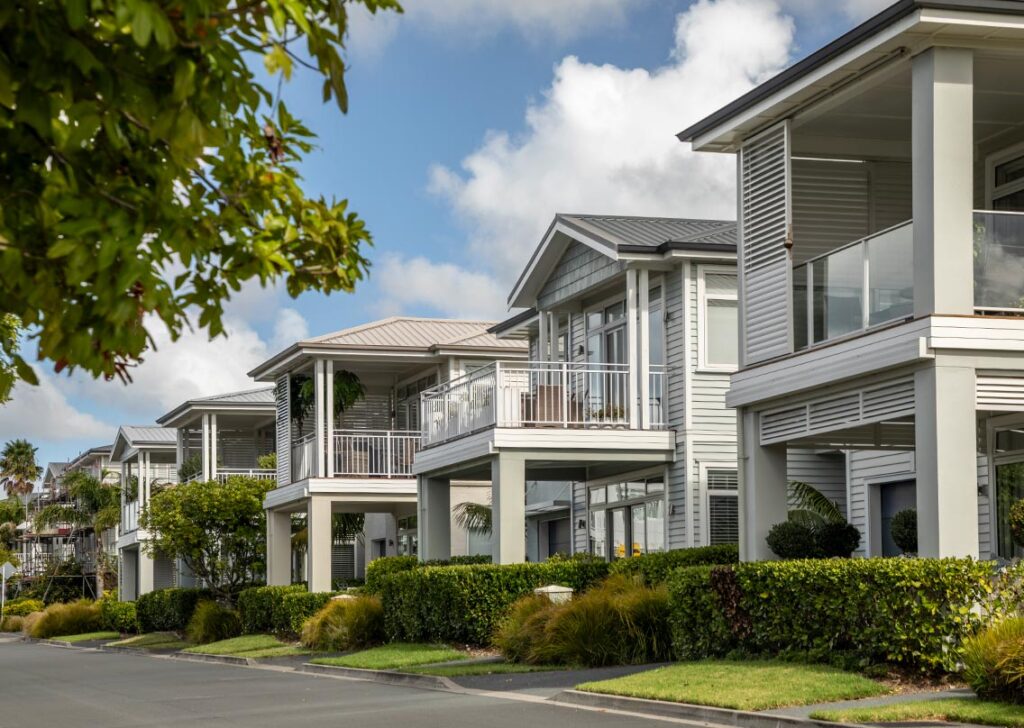
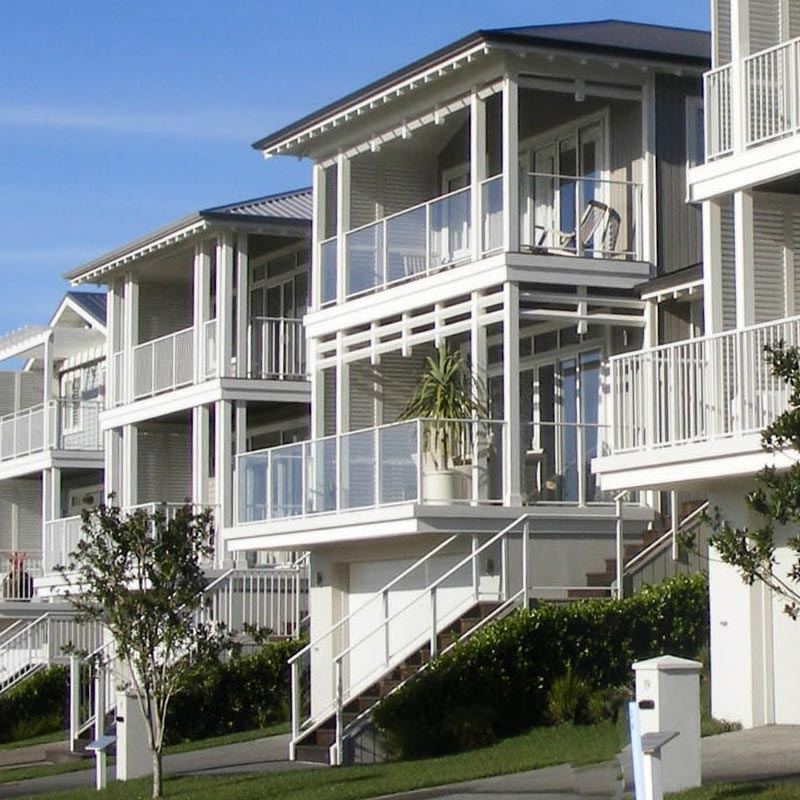
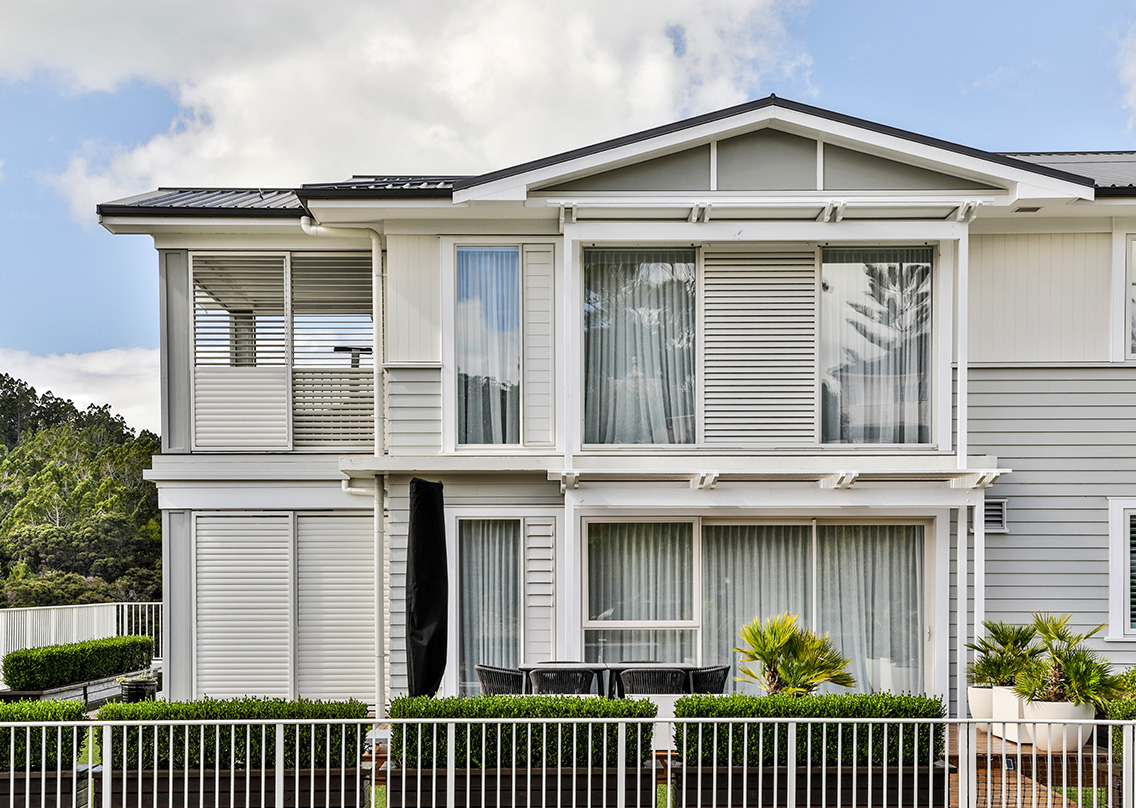
At Kensington Park, the model is different. All properties are freehold. Townhouses are fee-simple properties, meaning you own the home and land. Apartments are Stratum in Freehold, or unit title, meaning you own your apartment and an interest in the common property. You are buying real estate, not an occupation licence.

So what happens to your capital?
This is an important question for anyone making a property decision later in life. According to Sorted, retirement village residents may face a deferred management fee when they leave, generally around 20% to 30% of the original capital sum. There may also be other agreed deductions. In many retirement village arrangements, residents also do not receive the capital gain achieved when the property is subsequently resold. Consider a simplified example.
If someone pays $900,000 for an occupation right and their agreement ultimately applies a 30% deferred management fee, that represents $270,000 before considering any other applicable deductions. If the underlying property has also increased in value during that period, the resident may not participate in that gain, depending on the terms of their agreement. That doesn’t automatically make a retirement village a poor choice. In return, a resident may be receiving facilities, services, maintenance, security and, importantly for some people, access to increasing levels of care. But financially, it is a very different proposition from owning your home.
The advantages of freehold
With freehold property, any increase or decrease, in the market value of your home belongs to you as the owner. At Kensington Park there is no deferred management fee or retirement-village exit fee. There’s another consideration that can easily be overlooked. What if your circumstances change? You might decide to move closer to children. You might meet someone. You may want to move overseas, purchase somewhere else in New Zealand or simply decide that another home suits you better.
Maintaining ownership of an asset can preserve choices. A freehold Kensington Park property can be marketed and sold as residential real estate. You are not relying on the termination and repayment provisions of a retirement village Occupation Right Agreement. That flexibility can become increasingly valuable when you don’t yet know exactly what the next 10, 15 or 20 years will bring.
What about ongoing costs?
Freehold does not mean cost-free. And this is where any comparison should be made carefully. Retirement villages generally charge ongoing weekly or monthly fees to contribute towards village operations, services and facilities. At Kensington Park, homeowners contribute towards the costs of maintaining the neighbourhood, grounds, facilities and shared infrastructure. Apartment owners also have Body Corporate obligations associated with unit-title ownership.
The right comparison therefore isn’t simply: “Which one has fees?” Both models have costs. A better question is: “What am I paying for, what do I own, what happens to my capital, and what financial position could I be in when I eventually leave?”
Those are very different questions. Freedom means more than being able to travel For many Kensington Park residents, freehold ownership was a deliberate part of their decision. Resident Keith explains;

“What set it apart was that it’s not a retirement village, it’s freehold, and you retain your capital gains. That was a key factor for me.”
Keith
That sentiment is particularly relevant to people who are healthy, independent and simply want to make life easier.
Not a retirement village
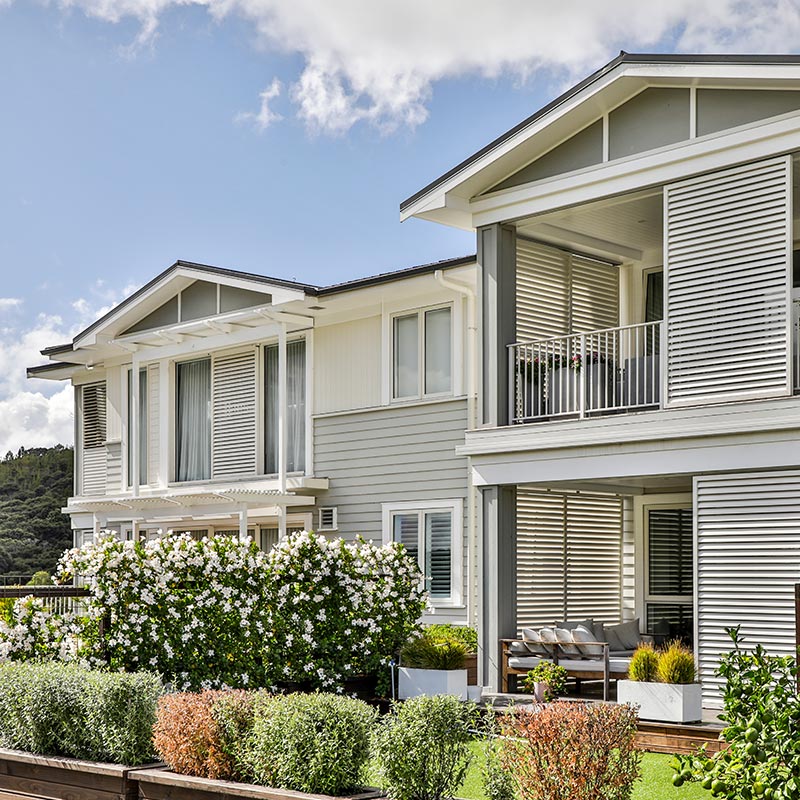
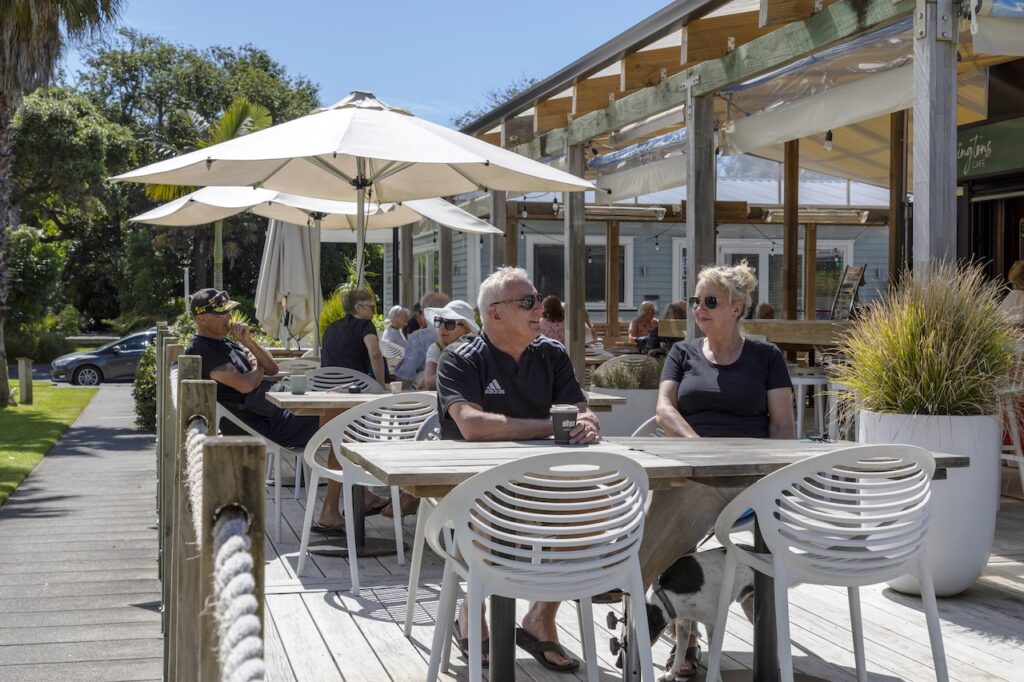
You may not want a retirement model. You may simply want a better home. One with less maintenance. Greater security. Excellent facilities. Beautiful surroundings. Interesting neighbours and a genuine community. And the freedom to continue owning your own property. This is perhaps where Kensington Park occupies an unusual position. It isn’t a retirement village. It’s an established residential neighbourhood that happens to offer many of the lifestyle qualities people begin looking for as they get older.
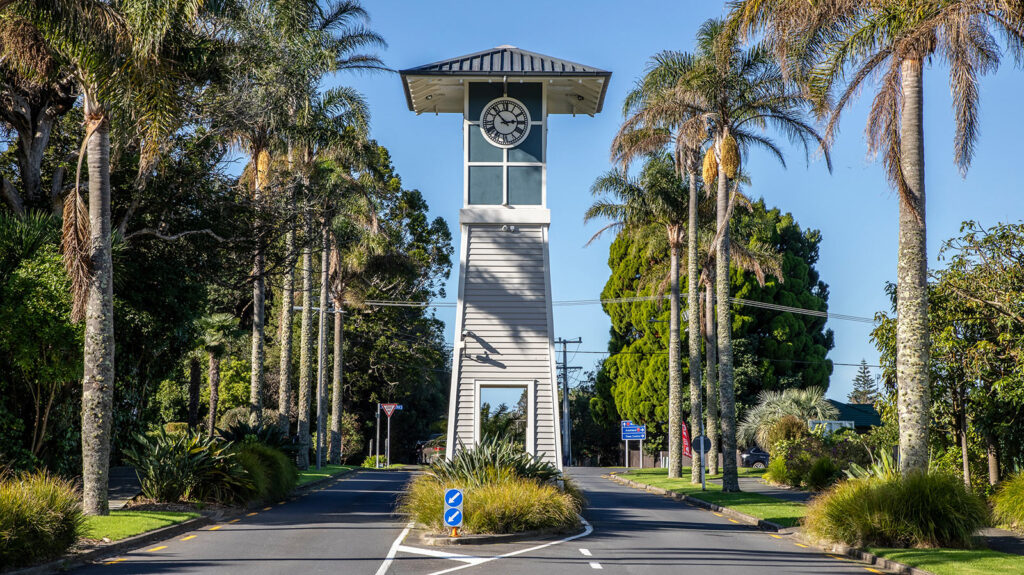
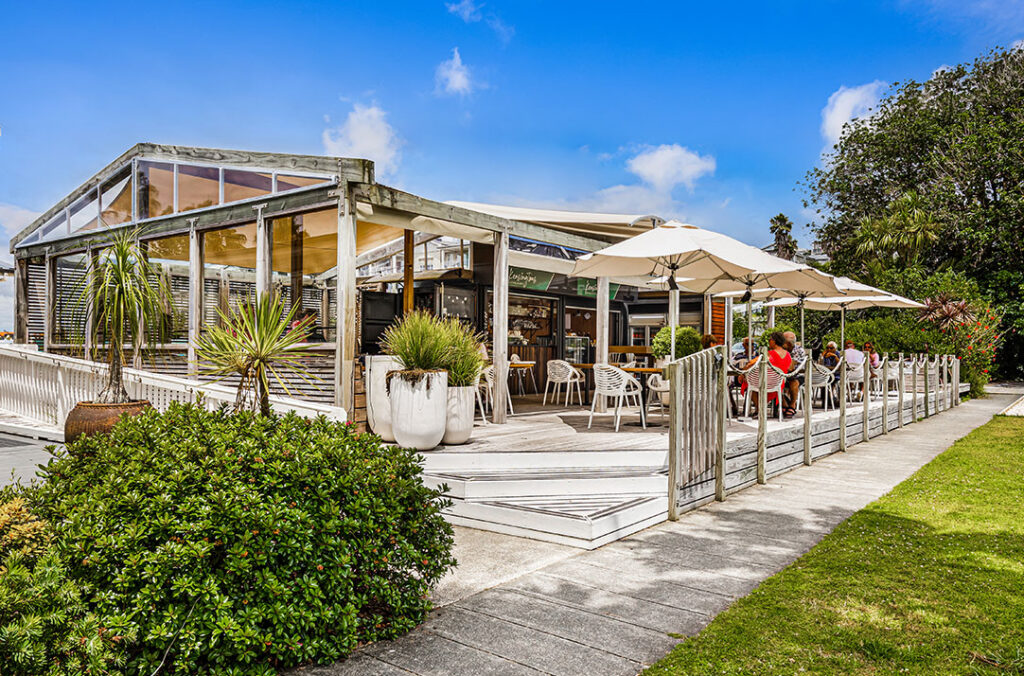
There is a heated indoor pool, gym and sauna. Beautiful gardens are maintained throughout the Park. Walking paths weave through the neighbourhood, and Ōrewa Beach and village are close by. Today, more than 540 homeowners call Kensington Park home.


So, when does a retirement village make sense?
Retirement villages play an important role in New Zealand housing, particularly when someone values the services, support and potential continuum of care that some villages provide. For the right person, that can be extremely valuable. But if you’re still active and independent, and your primary motivation is simply to leave behind the maintenance and responsibility of a large family home, it is worth asking whether you’re ready to give up property ownership at all. You may not need to. Before you make your next move, compare more than the purchase price. Put the options side by side and ask:
What will I actually own?
Will I participate in future capital gain?
What are the ongoing costs?
Is there a deferred management or exit fee?
Who controls the eventual resale?
How easily can I change my mind and move again?
What could be returned to me or my estate when I leave?
And finally:
Do I need care, or am I really just looking for an easier, more enjoyable way to live?
That last question may completely change the type of property you consider.
Discover another way to downsize
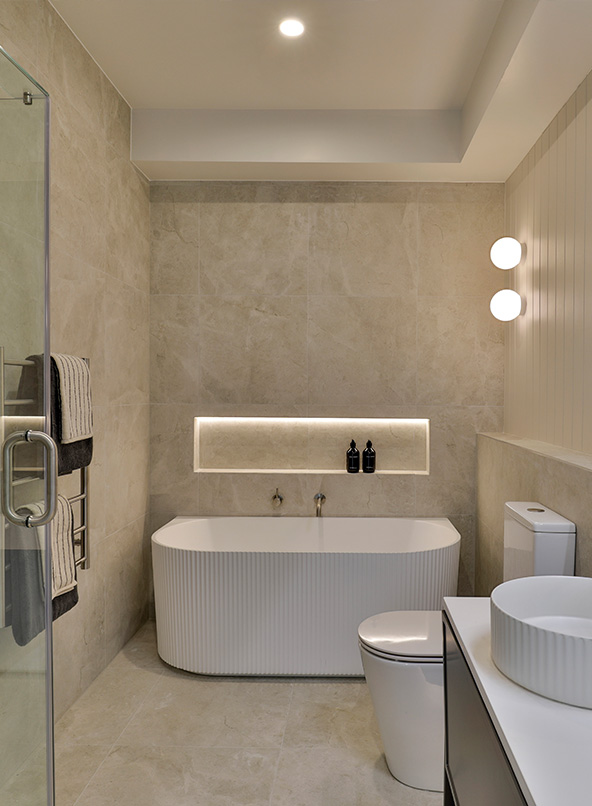
At Kensington Park, you don’t have to choose between the independence of owning your own home and the benefits of living within a connected, beautifully maintained community. You can have both. Kensington Park currently offers a selection of brand-new townhouses and apartments, together with established homes available for resale.
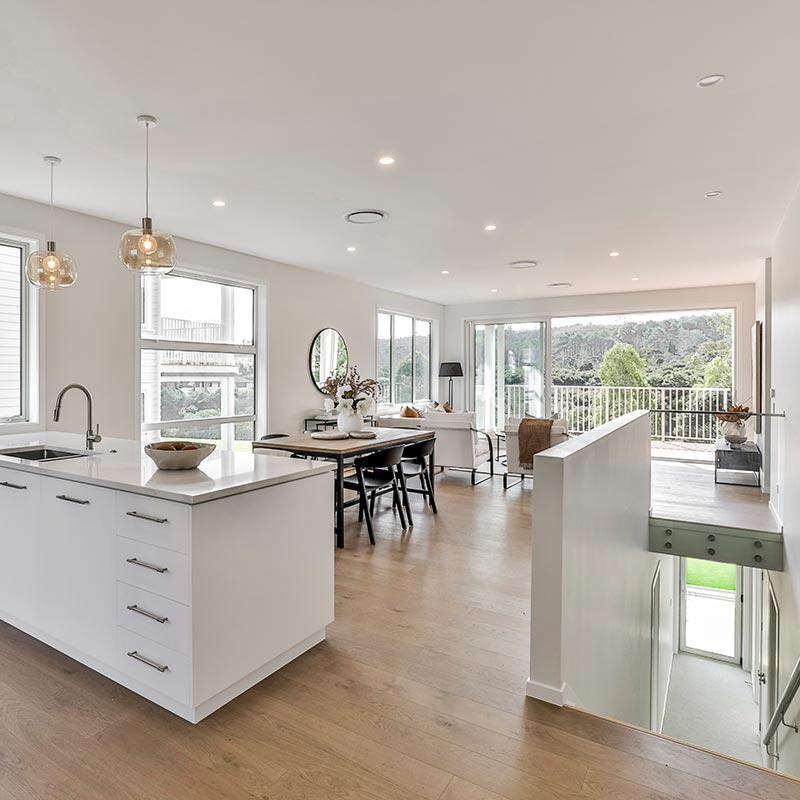
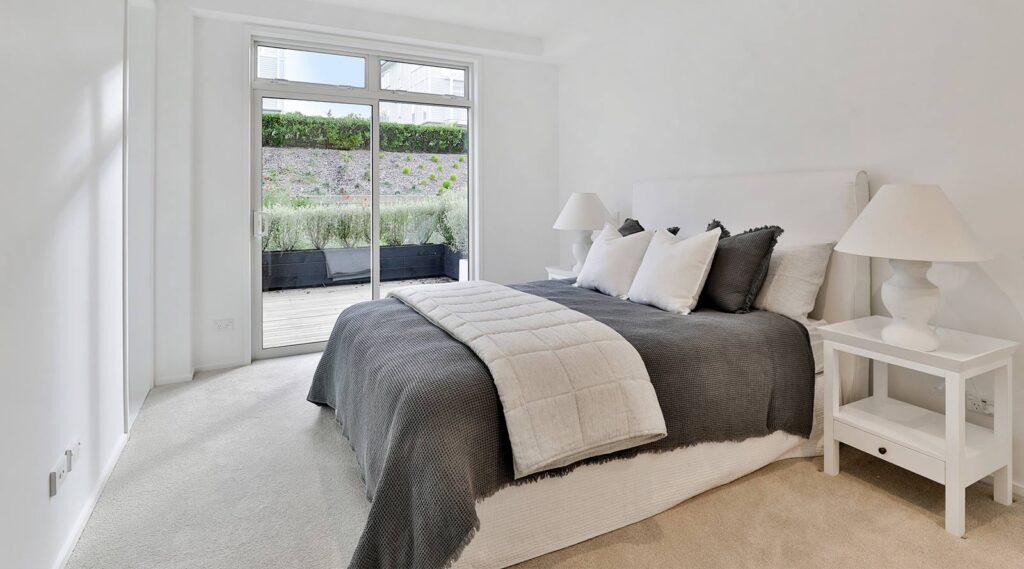
If you’re considering downsizing, come and compare the difference for yourself. Explore the homes. Walk through the gardens. Understand the ownership structure and costs. Talk to residents about why they chose Kensington Park.
Before you give up freehold ownership, it’s worth discovering what keeping it could mean for your future.